
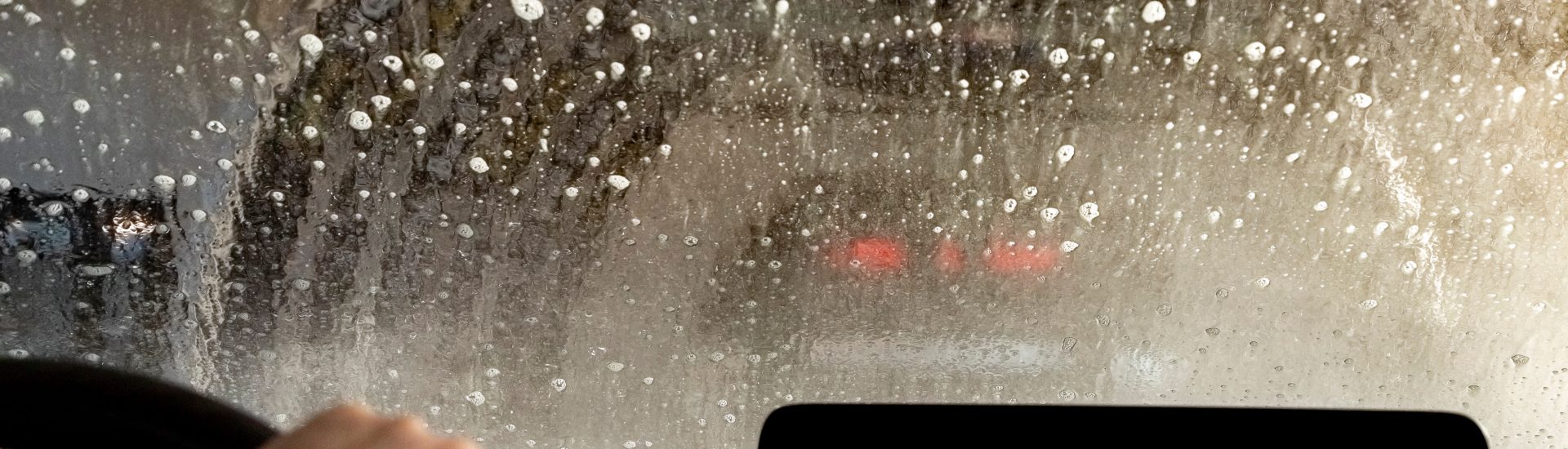
Should I Invest in a Tunnel Car Wash System?
August
23
2026
Choosing the right car wash system goes beyond adding new equipment. It’s about creating a smoother operation, reducing bottlenecks, improving customer satisfaction, and making sure every vehicle that enters your wash receives the same level of care.
At Renew Car Care, we’ve paired operators across the Chicago area with the right car wash equipment since 1995. There are several automatic setups to consider, but tunnel washes remain one of the most popular choices. These systems use automated equipment to move vehicles through multiple cleaning stages in a controlled, consistent sequence.
Implementing a tunnel car wash system offers several distinct advantages for operators:
- Consistent Vehicle Flow: The conveyor system moves cars safely and steadily through every stage of the wash.
- Increased Hourly Capacity: Automated systems support higher wash volumes without sacrificing cleaning quality.
- Reduced Labor Demands: Automation lowers maintenance needs, minimizes manual labor, and lessens the physical strain on employees.
Let’s look more closely at how tunnel car wash systems operate so you can decide whether this setup fits your business.
What Are the Main Components of a Tunnel Car Wash System?
You can tell a lot about the quality of a car wash system by its parts. Most tunnel wash systems have:
- A conveyor system to serve as the foundation of the entire operation, moving vehicles through the tunnel from entry to exit to set the pace for every stage of the wash.
- A drive system consisting of motors and mechanisms that power vehicle movement along the conveyor, keeping the line moving without interruption.
- Vehicle guides and rollers to help position vehicles correctly as they travel through the tunnel, which reduces the risk of misalignment and protects both the car and the equipment.
- Sensors and controls that detect vehicle placement, adjust timing, and coordinate each piece of equipment to adapt to different vehicle sizes and speeds in real time.
- Tunnel equipment, including brushes, oscillating spray arms, pre-soak applicators, spot-free rinse arches, dryers, and finishing components to perform the actual cleaning work.
Leading car wash equipment brands, such as Petit Auto Wash Equipment, are now designing their tunnel wash systems with fewer parts, eliminating components such as rotary swivels, pneumatic tires, belts, and pulleys. Fewer parts mean fewer points of failure, which translates directly to less downtime and more vehicles processed every day.
How Fast Are Tunnel Car Wash Systems?
Speed is one of the strongest arguments for a tunnel system, particularly for high-volume locations. For reference, Petit Auto Wash Equipment’s tunnel systems, the Accutrac 360-t and the Accutrac XR Series, can clean 200+ cars per hour. The Accutrac 360-t achieves this with as little as 30 inches of space between vehicles, thanks to a vehicle-tracking feature that allows spray arms to clean the fronts and backs of cars without requiring extra separation.
That kind of throughput matters when you’re running a busy location. High-volume car washes rely on tunnel systems specifically because the conveyor keeps cars moving at a consistent pace, reducing wait times and turning more vehicles per hour than most other wash formats.
How Safe Are Tunnel Car Wash Systems?
Vehicle and employee safety are common concerns for owners considering a new car wash setup. Modern tunnel wash systems address these concerns through several advanced design features:
- Active safety sensors monitor vehicle positions throughout the entire process and immediately stop the conveyor if a vehicle shifts out of place.
- Precision guides and rollers keep cars properly aligned from start to finish, preventing steering mistakes.
- Automated conveyor movement reduces the need for employees to guide or push vehicles manually, lowering the risk of workplace injuries.
Compared to in-bay automatics, manual hand washes, and self-serve bays, tunnel systems offer a highly controlled environment. This automated control minimizes human error, making tunnel washes one of the safest options on the market for both vehicles and operators.
What Maintenance Keeps Tunnel Car Wash Systems Running Smoothly?
All car wash systems require regular maintenance, but the amount of upkeep a system demands is worth considering before you invest. Every maintenance window is time that your wash is offline, which means lost revenue and potential customer frustration.
Routine maintenance for tunnel systems typically includes:
- Inspecting conveyors, rollers, chains, and motors for wear.
- Cleaning debris from components to prevent buildup and blockages.
- Checking system alignment and performance metrics.
- Lubricating moving parts to reduce friction and extend equipment life.
- Replacing worn parts before they trigger unplanned downtime.
Tunnel wash systems traditionally contain more moving parts than in-bay automatic or self-serve setups, which means more components to inspect and maintain. Even so, the savings on water and energy consumption typically offset the cost of routine maintenance, making the overall investment comparable.
Is a Tunnel Car Wash System Right for Your Car Wash?
Tunnel systems deliver the most value in specific situations. This type of setup tends to be the right fit for:
- High-volume locations that process dozens of vehicles every hour and need to minimize customer wait times.
- Businesses with spacious properties that can accommodate the physical footprint of a tunnel layout.
- Operations focused on throughput that want to maximize hourly volume, reduce labor costs, and increase daily revenue.
- Washes offering premium service packages, including multi-stage chemical applications, tire shines, and wax treatments.
If your location is smaller or your volume is lower, an in-bay automatic may be a more practical option. A car wash consultant can review your site and goals to help you determine which format makes the most sense before you commit to anything.
Talk to Renew Car Care About a Tunnel Car Wash System
Tunnel car wash systems can drive higher customer volume, consistent results, and lower labor demands. Whether one is the right investment for your business depends on your specific needs and goals.
At Renew Car Care, we offer a range of cutting-edge tunnel car wash equipment options to suit different budgets and business sizes. Our team is ready to provide insights into the pros and cons of each system, so you can make an informed decision. Plus, our ongoing services mean that your investment continues to deliver results for years to come. Speak with us today and discover how the right tunnel car wash system can grow your business.
Client Reviews
Renew Car Care’s service is the best around! The owner, Bob O’Donnell, is so knowledgeable and always just a call away. We decided to upgrade our automatic to a Petit,…
Joe C.

I Love The Car Wash Products!
Evan S.
Bob and his entire team have been incredible to work with on my new IBA install. From the first time they were contacted inquiring about a new system, the entire…
T Stone
We’ve been doing business with Renew for 10+ years. From chemicals distribution, repair services to new equipment installation, Bob’s team always provides the top notch quality of services with competitive…
Jin W.
The team did an awesome job upgrading our outdated car wash to something newer. They also offer outstanding service. When one of our older machines went down, they were able…
Fred
Excellent service and products. Same-day delivery. Very happy with wash, shine and dry results.
Mark Fikaris
Bob and his team are amazing. Always available whenever you need them. They go above and beyond to ensure customer satisfaction. Dara is always just a text or call away.…
William Janke (Wash Werks of Barrington)
Bob, I just wanted to thank you for your reliable service and for helping me out with any questions I have regarding the soaps or the mechanicals at my wash. …
Scott Curatti (Tyler Car Wash)
I first contacted Renew Car Care Inc as an owner of two car washes with no car wash experience at all. Having previously dealt with an unsavory car wash repair…
Pitstop Car Wash
I'm thrilled with the services that Renew Car Care provides, from the service work to the chemicals they offer. They are very knowledgeable in the car wash industry and have…
Mulbe Dillard (Power Suds Car Washes)
We recently bought an old SuperWash in Algonquin and Renew Car Care is doing an amazing job renovating the equipment, inside and out. Bob O'Donnell is a very knowledgeable and…
Sky Express
You May also like other posts

September
23
2026
How Can a Car Wash Repair Team Help Revive an Aging System?
If you own an older car wash, you know the feeling. Every breakdown feels like…
September
16
2026
Ava’s Suds Pinkalicious
Check out Ava's Suds and Shine (106 W. Davis Street, Ava, IL 62907), this Purple…
August
23
2026
Should I Invest in a Tunnel Car Wash System?
Choosing the right car wash system goes beyond adding new equipment. It's about creating a…





The information on this website is for informational purposes only; it is deemed accurate but not guaranteed. It does not constitute professional advice. Testimonials are not a guarantee, warranty or prediction of what your experience with us will be. By providing contact information, users acknowledge and give explicit consent to be contacted via the methods of communication provided, including SMS. Message and data rates may apply. Message frequency may vary. Reply STOP to opt out.
NUVEW | Copyright 2026 Website Copyright. All Rights Reserved | Accessibility Notice | Privacy Policy